30-day money-back guarantee
The Industry Secret They Kept Hidden
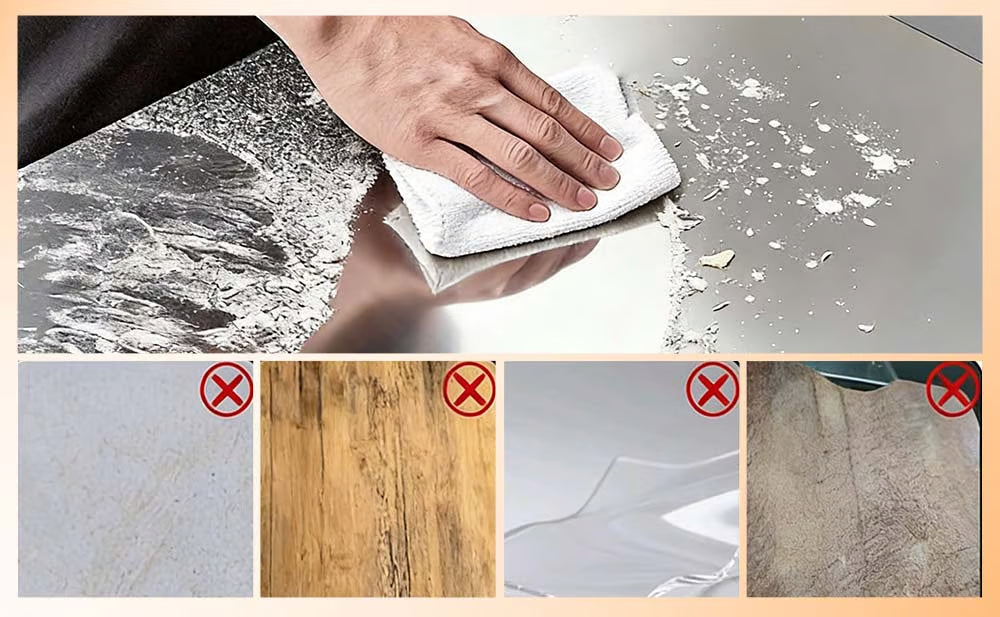
For decades, we have been told that wooden chopping boards are “traditional” and “natural”, while plastic boards are “affordable” and “practical”.What they did not tell us is that, from a scientific perspective, both materials have fundamental flaws.Here is why:.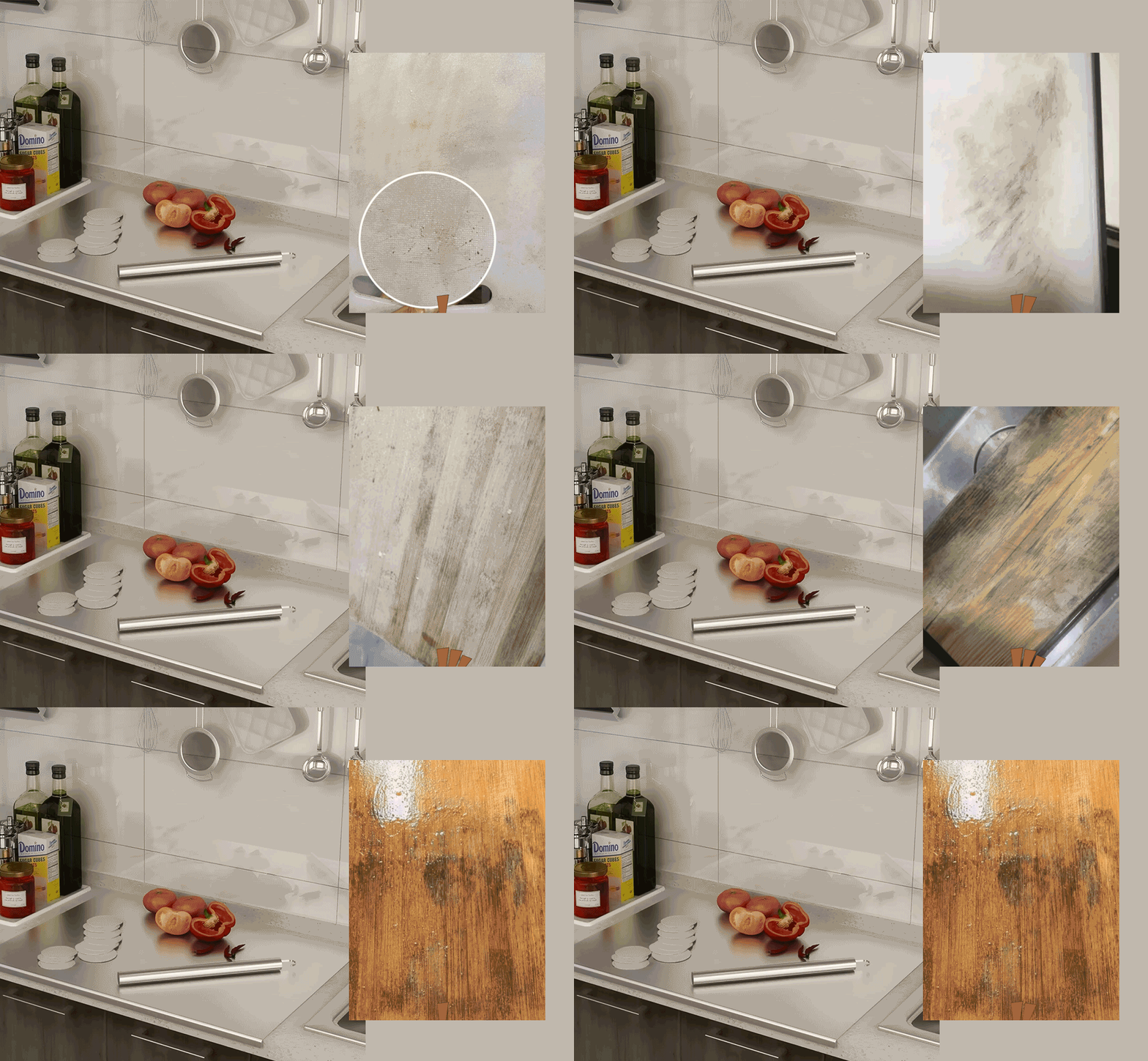
The Porosity Trap: Your Board’s Hidden Enemy
Wood is organic. It is porous. Under a microscope, you can see thousands of tiny channels running through the grain — channels that literally absorb the juices, oils and bacteria from everything you cut.Plastic is not much better. Every knife cut creates a microscopic groove — a tiny crevice that can become a permanent hiding place for bacteria.And this is the worrying part:Once bacteria enter these pores or grooves, they can form what is known as a biofilm — a protective slimy layer that ordinary washing may struggle to remove. That is why your board can still smell strange shortly after cleaning.The problem is not always dirt on the surface. Contamination may remain trapped deeper inside the material.You may effectively be preparing dinner on a surface that is harder to clean than it appears.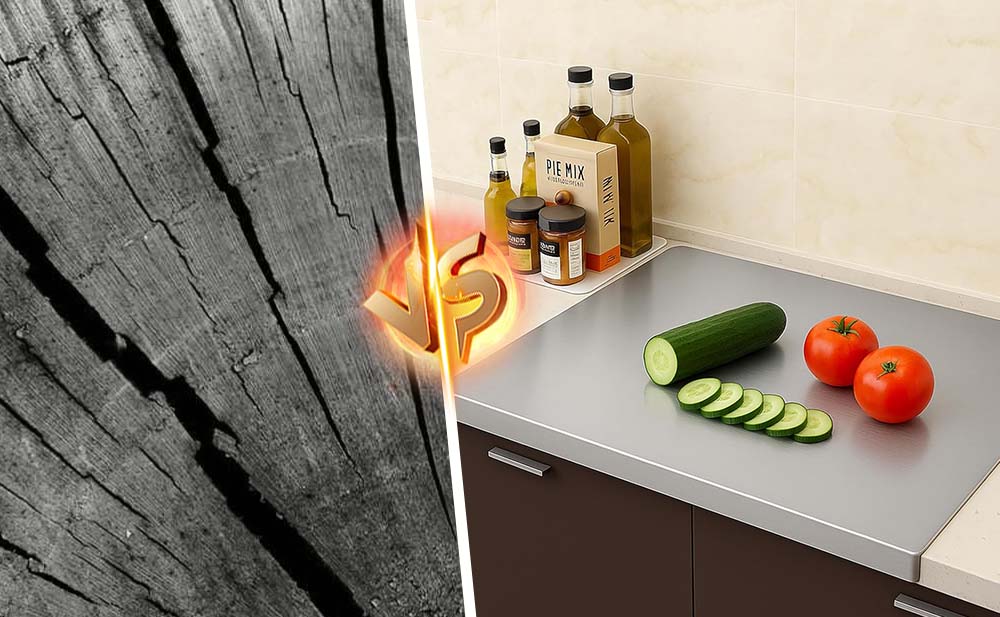 The Microplastics Problem Few People Talk AboutBacterial contamination is not the only concern.A 2024 study published in Environmental Science & Technology raised another issue:Every time you cut on a plastic board, tiny plastic particles may be released into your food.Research suggests that food preparation on a worn plastic chopping board can introduce thousands of microplastic particles into a meal.Let that sink in.Those particles may become part of your family’s dinner. Researchers are continuing to investigate the possible links between microplastic exposure and long-term health effects.As one environmental health researcher summarised:“When you use a plastic chopping board, you may not just be preparing food — you may also be adding plastic particles to it.”Three Common Mistakes You May Be Making
Mistake No. 1: Assuming That “Looking Clean” Means “Truly Hygienic”
Visual cleanliness and hygienic safety are not the same thing. A freshly washed wooden board may still retain bacteria deep within its pores and grain.Mistake No. 2: Replacing Your Board Every Six Months
Many households believe the solution is to buy new plastic chopping boards regularly. However, even a new plastic board can begin developing scratches after a short period of use, creating new places where bacteria may collect.You are not necessarily solving the problem — you may simply be restarting it.Mistake No. 3: Using Harsh Chemicals for a “Deep Clean”
Bleach solutions and strong cleaning agents may kill surface bacteria, but they may not always reach contamination trapped deep inside damaged material. Chemical residues may also remain if the board is not rinsed thoroughly.The real question is: why keep using materials that require so much maintenance just to remain hygienic?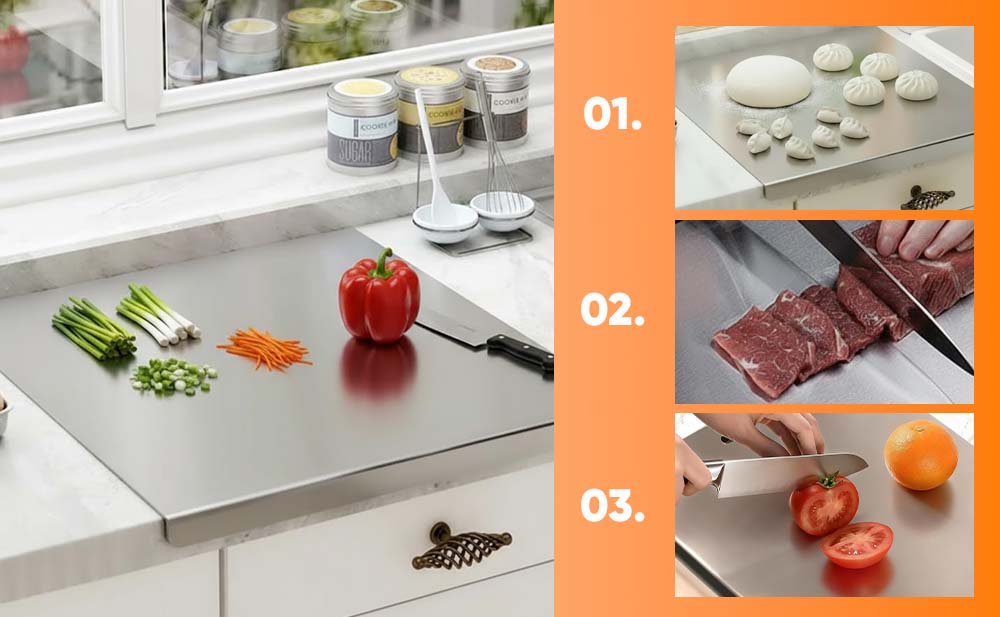 The Professional Secret: What Commercial Kitchens KnowWalk into many professional kitchens, catering facilities or food-processing environments and you may notice a common material:Stainless steel.Why?Because stainless steel is non-porous. It does not absorb liquids, does not develop deep cuts as easily as softer materials and offers fewer places for bacteria to hide.Until recently, restaurant-grade stainless-steel chopping boards were often large, industrial or too expensive for everyday home use.That is finally changing.Introducing the Stainless-Steel Kitchen Chopping BoardA UK-based kitchenware company has developed a high-quality, restaurant-style stainless-steel chopping board designed specifically for home kitchens — at a fraction of the price of many professional alternatives.This is more than an ordinary chopping board. It is a durable food-preparation surface designed to resist wear, avoid absorbing odours and remain easy to clean.How Does It Work?The board is made from high-quality passivated stainless steel using an advanced non-porous construction.Here is what that means:No Porosity = Fewer Places for Bacteria to HideUnlike wood, which absorbs moisture, or plastic, which can develop deep scratches, stainless steel has a smooth, non-porous surface. Bacteria remain on the surface, where they can be removed more easily through proper washing.Odour Reduction Through Stainless SteelStainless steel may help reduce strong food odours.When sulphur compounds — often responsible for the smell of garlic, onions and fish — come into contact with the chromium in stainless steel, they can bind to the surface and become less noticeable.Chop garlic. Rinse the board. Then prepare strawberries with less risk of lingering odour transfer.Heat-Resistant and Exceptionally DurableThe reinforced 0.15 cm stainless-steel construction means it:
- Does not crack, splinter or warp like wood
- Can withstand hot cookware better than many plastic boards
- Helps frozen food thaw more quickly because metal conducts heat
- Stays naturally cool while rolling or kneading dough
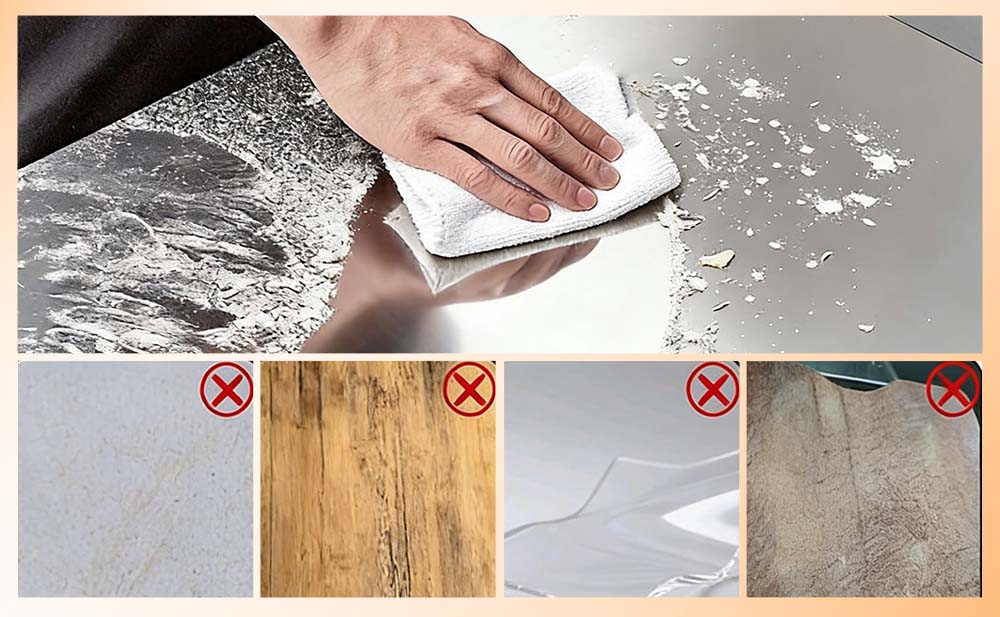
Six Reasons Families Are Switching
1. High-Level Hygiene at HomeThe smooth, non-porous surface allows food residue and bacteria to be removed more easily. There are no deep grooves to scrub, and the board can be placed in the dishwasher for convenient cleaning.2. Reduced Odour and Flavour TransferStrong-smelling foods such as garlic, onions and fish are less likely to leave lasting odours behind. Your apple slices are less likely to taste like last night’s salmon.3. Built to Last in Your KitchenResistant to cracking, warping, staining and everyday wear, this could be the last chopping board you need to buy for years.Compare that with repeatedly replacing worn plastic boards.4. Professional VersatilityPerfect for:- Preparing raw meat
- Chopping vegetables
- Rolling pastry and kneading dough
- Covering the sink to create extra worktop space
- Outdoor cooking and barbecues